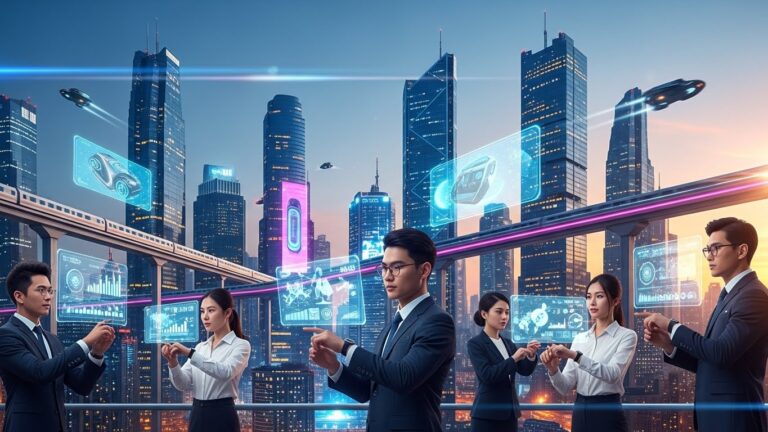
The world of technology is constantly evolving, and at the forefront of this transformation are tech startups. These innovative companies often challenge traditional business models, introduce groundbreaking solutions, and redefine entire industries. While established tech giants dominate the market, startups bring agility, creativity, and a willingness to take risks that result in disruptive innovation.
In 2025, tech startups are making waves across various sectors, including healthcare, finance, artificial intelligence, transportation, and renewable energy. Their contributions are not only advancing technology but also creating solutions to real-world problems, improving efficiency, and reshaping consumer experiences. This article explores some of the top tech startups revolutionizing industries today and how they are shaping the future.
Understanding the Role of Tech Startups
Tech startups are small to medium-sized companies focused on developing innovative products or services, often leveraging the latest technologies. Unlike traditional companies, startups prioritize rapid experimentation, scalability, and disruptive potential.
Key Attributes of Tech Startups:
- Innovation-Driven: They focus on creating novel solutions that address unmet needs.
- Agility: Startups adapt quickly to market feedback and pivot when necessary.
- Risk-Taking Culture: Embracing uncertainty allows them to pursue groundbreaking ideas.
- Technology Integration: Most startups leverage cutting-edge technology, including AI, blockchain, cloud computing, and IoT.
Startups play a vital role in accelerating technological progress and inspiring established companies to innovate.
Healthcare Startups Transforming Patient Care
Healthcare is one of the most dynamic sectors for innovation, with startups introducing solutions that improve diagnosis, treatment, and patient experience.
AI-Driven Diagnostics
Startups are using artificial intelligence to analyze medical data and detect diseases with unprecedented accuracy. AI algorithms can identify patterns in imaging scans, predict patient risk factors, and assist doctors in decision-making.
Telemedicine Platforms
Virtual healthcare solutions have expanded access to medical services. Startups are creating platforms that connect patients with doctors, provide remote monitoring, and even facilitate AI-assisted consultations.
Wearable Health Technology
Wearable devices are helping individuals monitor vital signs, track fitness, and manage chronic conditions. Startups in this space are integrating AI to deliver personalized insights and predictive health alerts.
These innovations are making healthcare more accessible, efficient, and personalized, transforming how patients interact with medical services.
Fintech Startups Redefining Financial Services
Financial technology, or fintech, has experienced explosive growth, driven by startups seeking to simplify transactions, enhance security, and democratize access to financial services.
Digital Banking and Neobanks
Startups are offering fully digital banking experiences with zero fees, personalized insights, and intuitive interfaces. These platforms attract younger consumers who prefer mobile-first banking.
Blockchain and Cryptocurrency
Blockchain startups are revolutionizing how transactions are processed and verified. Cryptocurrency and decentralized finance (DeFi) platforms provide alternative investment options and enhance transparency.
AI-Powered Financial Management
AI is helping users manage budgets, predict expenses, and optimize investments. Startups are leveraging machine learning to provide actionable financial advice in real time.
Fintech startups are challenging traditional banking norms and making financial services more inclusive, efficient, and secure.
Artificial Intelligence Startups Driving Innovation
AI continues to be a driving force in modern technology, and startups are leading the charge in applying AI to solve real-world problems.
Natural Language Processing
Startups specializing in NLP are creating chatbots, virtual assistants, and customer support solutions that understand and respond to human language naturally.
Computer Vision
AI startups in computer vision are developing solutions for facial recognition, quality control in manufacturing, and autonomous navigation in vehicles.
Predictive Analytics
Predictive AI models help businesses forecast demand, optimize supply chains, and enhance marketing strategies. Startups are making these tools accessible to industries that previously lacked such capabilities.
AI startups are not only improving operational efficiency but also enabling new applications that redefine industry standards.
Transportation and Mobility Startups
Transportation is undergoing a dramatic transformation, with startups pioneering new forms of mobility and logistics solutions.
Electric Vehicles and Battery Technology
EV startups are developing next-generation batteries, charging infrastructure, and energy-efficient vehicles. Their innovations contribute to sustainability while providing high-performance transportation solutions.
Autonomous Vehicles
Self-driving technology is advancing rapidly, with startups testing autonomous cars, delivery robots, and drones. These innovations promise to reduce accidents, increase efficiency, and change the way goods and people move.
Smart Logistics
Logistics startups are using AI and IoT to optimize routes, track shipments, and reduce operational costs. Smart supply chains are becoming faster, more reliable, and environmentally friendly.
Transportation startups are redefining mobility, making travel safer, greener, and more convenient.
Renewable Energy and Sustainability Startups
Climate change and environmental concerns have created a surge in startups focused on sustainable technology and renewable energy solutions.
Solar and Wind Innovations
Startups are developing advanced solar panels, wind turbines, and energy storage solutions to maximize renewable energy efficiency.
Energy Management Systems
Smart grids and AI-powered energy management platforms help optimize energy consumption in homes, businesses, and cities.
Circular Economy Solutions
Some startups are focused on waste reduction, recycling, and sustainable manufacturing. Innovative materials and eco-friendly production methods are reducing the environmental footprint of industries worldwide.
Sustainability startups demonstrate how innovation can address environmental challenges while creating economic opportunities.
EdTech Startups Revolutionizing Learning
Education technology startups are reshaping how knowledge is delivered, making learning more accessible, engaging, and personalized.
AI Tutoring Systems
Adaptive AI platforms analyze student performance and customize lessons to individual needs, improving learning outcomes.
Gamified Learning
Startups are incorporating game mechanics into educational content to enhance engagement and motivation.
Remote Learning Platforms
Virtual classrooms, interactive courses, and collaborative tools are making education available to students worldwide, regardless of location.
EdTech startups are breaking barriers, providing quality education, and preparing learners for the demands of the modern workforce.
E-commerce and Retail Startups
The retail landscape is being reshaped by startups leveraging AI, data analytics, and innovative business models.
Personalized Shopping Experiences
AI-driven recommendation engines offer personalized product suggestions, improving customer satisfaction and increasing sales.
Virtual Try-On and AR Tools
Augmented reality allows consumers to try products virtually, from clothing to home furniture, enhancing the online shopping experience.
Sustainable E-Commerce
Some startups focus on eco-friendly supply chains, ethical sourcing, and sustainable packaging, appealing to environmentally conscious consumers.
These innovations are creating a more engaging, efficient, and responsible shopping experience.
Health and Wellness Startups
Beyond traditional healthcare, wellness-focused startups are leveraging technology to improve quality of life.
Mental Health Platforms
AI-driven apps provide personalized mental health support, therapy sessions, and mindfulness programs.
Fitness and Nutrition Tech
Startups offer wearable devices, smart fitness equipment, and AI-driven meal planning solutions.
Sleep and Recovery Innovations
Sleep monitoring systems and recovery-focused technology help users optimize rest and maintain well-being.
Wellness startups are integrating technology into everyday routines, promoting healthier lifestyles and improving overall quality of life.
Challenges and Opportunities for Tech Startups
While tech startups are driving innovation, they also face unique challenges:
- Funding and Investment: Securing venture capital is competitive, and startups must demonstrate strong potential.
- Regulatory Compliance: Navigating complex regulations can slow growth, especially in healthcare, finance, and AI sectors.
- Market Adoption: Convincing consumers and businesses to adopt new technologies requires trust and effective communication.
- Scalability: Rapid growth demands robust infrastructure, talent, and operational management.
Despite these challenges, the opportunities for disruption and impact are immense, and successful startups often redefine entire industries.
The Future of Tech Startups
The tech startup ecosystem will continue to grow and evolve in 2025 and beyond. Emerging technologies like AI, quantum computing, blockchain, and biotechnology will create new opportunities for innovation. Startups will play a critical role in addressing global challenges, from climate change to healthcare accessibility, while pushing the boundaries of creativity and technological capability.
Collaboration between startups, established corporations, governments, and research institutions will foster an environment where innovation thrives. As startups scale their solutions, industries will become more efficient, sustainable, and user-focused, benefiting society as a whole.
Conclusion
Tech startups are revolutionizing industries by introducing innovations that challenge traditional business models, improve efficiency, and create new experiences for consumers. From healthcare and fintech to renewable energy, education, and e-commerce, startups are shaping the future of technology and business.
Their success is driven by creativity, agility, and a willingness to take risks, proving that even small companies can have a massive impact. As we move further into 2025, these startups will continue to push boundaries, inspire innovation, and transform industries in ways that redefine how we live, work, and interact with the world.
The future belongs to those who innovate, and tech startups are leading the way, creating solutions that improve lives, drive growth, and shape a more connected and technologically advanced society.
About the Author