
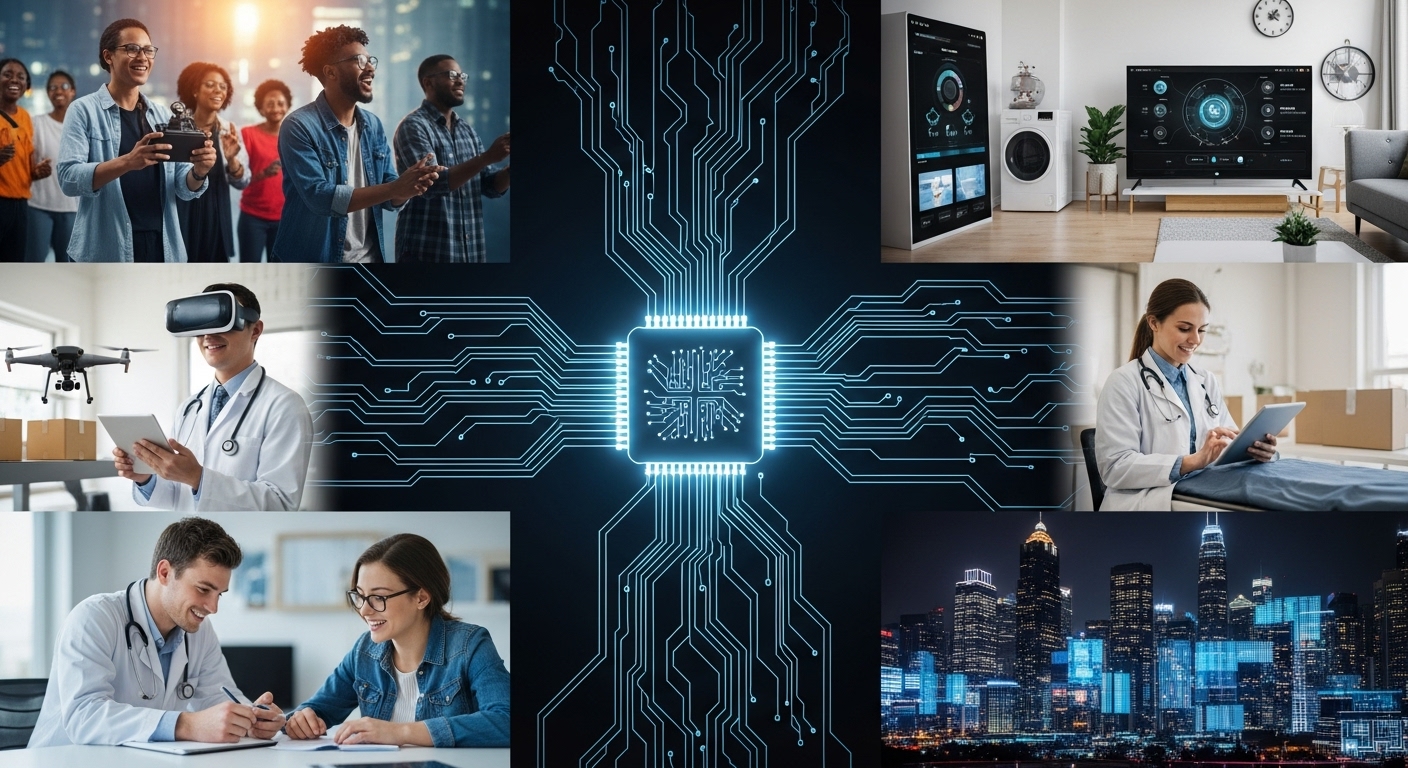
Technology is no longer just a tool we use; it is the very fabric that shapes the way we live, work, and interact with the world. From the first stone tools to the rise of artificial intelligence, technological evolution has been both rapid and transformative. Today, technology permeates every aspect of life, influencing how we communicate, travel, work, and even think. This blog post delves into the fascinating world of technology, exploring its historical evolution, modern advancements, and the ways it is reshaping society.
The Historical Evolution of Technology
Technology has been a defining factor in human progress. Early humans developed basic tools, which enabled them to hunt, gather, and build shelter. These innovations marked the beginning of a journey that would ultimately lead to the advanced technological systems we rely on today.
The Agricultural Revolution was one of the earliest milestones, as it allowed humans to settle in one place and develop complex societies. Tools such as the plow and irrigation systems transformed agriculture, allowing societies to produce surplus food and sustain larger populations. This period marked the first time technology directly influenced societal structures and economies.
The Industrial Revolution, which began in the 18th century, introduced machinery and factory-based production, fundamentally changing the economy and the nature of work. Steam engines, mechanized looms, and railroads revolutionized transportation and manufacturing, laying the groundwork for the modern industrialized world. The pace of technological change accelerated dramatically during this period, with innovation becoming a key driver of social and economic transformation.
The Rise of Digital Technology
The 20th century brought unprecedented changes with the advent of digital technology. Computers, initially large and cumbersome, gradually became more compact and powerful. The development of semiconductors, microprocessors, and programming languages allowed for increasingly sophisticated computing systems.
Digital technology transformed communication through the creation of the internet, email, and mobile devices. What was once an elaborate and time-consuming process of exchanging information became instantaneous and global. The emergence of smartphones further accelerated this transformation, providing powerful computing capabilities in the palm of our hands.
Artificial Intelligence: Redefining the Future
Artificial intelligence (AI) represents one of the most significant technological advancements of the 21st century. AI systems can analyze massive amounts of data, recognize patterns, and make decisions with a speed and accuracy that surpass human capabilities. From voice assistants and recommendation systems to autonomous vehicles, AI is increasingly embedded in everyday life.
Machine learning, a subset of AI, allows systems to learn and improve over time without explicit programming. This has applications in healthcare, finance, manufacturing, and countless other fields. AI algorithms can detect diseases from medical images, predict stock market trends, optimize supply chains, and even create art. However, the rise of AI also brings ethical challenges, including concerns about privacy, bias, and the potential displacement of jobs.
The Internet of Things: Connecting Our World
The Internet of Things (IoT) refers to the network of interconnected devices that communicate with one another over the internet. From smart home devices like thermostats and lighting systems to industrial sensors monitoring production lines, IoT is transforming both personal and professional environments.
IoT devices collect vast amounts of data, which can be used to improve efficiency, reduce costs, and enhance user experiences. For example, wearable fitness trackers monitor health metrics, while smart cities use sensors to optimize traffic flow and energy usage. The integration of IoT with AI and data analytics is creating intelligent systems that can anticipate needs and respond autonomously.
Blockchain Technology: Beyond Cryptocurrency
While blockchain technology gained fame as the backbone of cryptocurrencies like Bitcoin, its applications extend far beyond digital currency. Blockchain provides a decentralized and secure method of recording transactions, which can be used in supply chain management, voting systems, healthcare, and more.
By eliminating the need for intermediaries, blockchain increases transparency and reduces the risk of fraud. Smart contracts, which are self-executing contracts with the terms written into code, allow for automated and trustless transactions. The potential of blockchain technology lies in its ability to create systems that are more secure, transparent, and efficient.
Renewable Energy and Sustainable Technology
As the world faces the challenges of climate change, technology is playing a crucial role in the transition to renewable energy. Solar panels, wind turbines, and energy storage systems are becoming more efficient and affordable, making sustainable energy solutions increasingly viable.
Smart grids and energy management systems use data and automation to optimize the production and consumption of electricity. Advances in battery technology are enabling the widespread adoption of electric vehicles, which reduce reliance on fossil fuels. Furthermore, innovations in green building materials, water management, and waste recycling are helping industries and individuals reduce their environmental footprint.
The Impact of Technology on Healthcare
Technology has revolutionized healthcare, improving both the quality and accessibility of medical services. Medical imaging, robotic surgery, telemedicine, and wearable health devices have transformed how diseases are diagnosed, treated, and monitored.
AI-driven diagnostic tools can analyze medical images and detect abnormalities faster and more accurately than humans. Telemedicine allows patients to consult with healthcare professionals remotely, improving access to care in rural and underserved areas. Genomic sequencing and personalized medicine are enabling treatments tailored to an individual’s genetic makeup, increasing effectiveness and reducing side effects.
Cybersecurity in a Digital World
As technology becomes more integrated into our lives, cybersecurity has become a critical concern. Cyber threats, including hacking, phishing, and ransomware attacks, pose risks to individuals, businesses, and governments.
Organizations must implement robust security measures to protect sensitive data and critical infrastructure. This includes encryption, multi-factor authentication, regular software updates, and employee training. The rise of AI and IoT also introduces new security challenges, as interconnected systems can be exploited if not properly secured.
The Future of Work: Automation and Collaboration
Technology is reshaping the nature of work, with automation and digital tools changing how tasks are performed. Robots and AI systems can handle repetitive and dangerous tasks, freeing humans to focus on creative and strategic work.
Remote work and digital collaboration tools have transformed workplaces, enabling teams to work from anywhere in the world. Virtual reality (VR) and augmented reality (AR) technologies are beginning to enhance training, design, and customer experiences, creating immersive and interactive work environments.
Ethical Considerations in Technology
As technology continues to advance, ethical considerations become increasingly important. Issues such as data privacy, AI bias, and the digital divide must be addressed to ensure that technological progress benefits society as a whole.
Responsible innovation involves designing systems that are fair, transparent, and accountable. Policymakers, technologists, and society must work together to create regulations and standards that protect individuals while fostering innovation.
Education and Technology: Bridging Knowledge Gaps
Technology has transformed education, making learning more accessible, interactive, and personalized. Online courses, virtual classrooms, and educational apps provide opportunities for learners worldwide to access knowledge and skills.
Adaptive learning platforms use AI to tailor educational content to individual needs, helping students progress at their own pace. Gamification and interactive simulations make learning engaging and effective, preparing students for the demands of a technology-driven world.
Entertainment and Digital Media
The entertainment industry has been dramatically transformed by technology. Streaming platforms, video games, virtual reality, and social media have changed how we consume and interact with content.
Digital media allows creators to reach global audiences instantly, while AI-driven recommendation systems personalize experiences for users. Virtual reality and augmented reality are creating immersive entertainment experiences, from interactive games to virtual concerts and cinematic experiences.
Transportation and Autonomous Systems
Transportation technology is undergoing a revolution, with electric vehicles, autonomous cars, and hyperloop systems promising faster, safer, and more sustainable travel. Electric vehicles reduce carbon emissions and dependence on fossil fuels, while autonomous systems aim to improve safety and efficiency.
Drones and aerial mobility solutions are being developed for delivery services, emergency response, and urban transportation. Smart traffic management systems and connected vehicles are optimizing urban mobility, reducing congestion, and improving safety.
Space Exploration and Technology
Technology has expanded humanity’s reach beyond Earth. Satellites, space probes, and telescopes have revolutionized our understanding of the universe, while space agencies and private companies are exploring the potential for human colonization of other planets.
Advances in propulsion systems, robotics, and materials science are enabling missions to the Moon, Mars, and beyond. Satellite technology also plays a crucial role in communication, navigation, weather forecasting, and Earth observation, demonstrating the practical benefits of space innovation.
The Role of Technology in Social Change
Technology has the power to drive social change by enabling communication, activism, and access to information. Social media platforms allow individuals to connect, organize, and raise awareness about important issues. Digital tools empower communities to advocate for social justice, equality, and environmental sustainability.
At the same time, technology raises questions about its influence on culture, privacy, and human interaction. Balancing innovation with ethical considerations is essential to ensuring that technology serves the greater good.
Emerging Technologies: What Lies Ahead
The future of technology is filled with exciting possibilities. Quantum computing promises unprecedented computational power, enabling breakthroughs in medicine, cryptography, and scientific research. Biotechnology is advancing rapidly, offering potential solutions to genetic disorders, food security, and environmental challenges.
Nanotechnology, advanced materials, and next-generation AI systems are poised to transform industries and improve quality of life. As these technologies develop, society will face new opportunities and challenges, requiring thoughtful innovation and governance.
Conclusion: Embracing Technology with Responsibility
Technology has always been a driving force behind human progress, and its impact on society continues to grow. From early tools to AI, IoT, and space exploration, technological innovation has reshaped the way we live, work, and interact.
As we move forward, it is essential to embrace technology responsibly, balancing the benefits of innovation with ethical considerations. By doing so, we can harness the power of technology to create a more connected, sustainable, and equitable world. The journey of technological evolution is far from over, and the future promises even greater transformations that will challenge, inspire, and redefine the human experience.
About the Author