
Introduction
Technology has become an inseparable part of modern life. From the moment we wake up to the time we sleep, it silently works in the background, shaping the way we live, work, communicate, and think. What once took years to develop now happens in days, and what once seemed impossible is now part of everyday reality. The digital age is not merely an era of machines and devices but a reflection of human creativity and intelligence. As the world becomes increasingly connected through technology, we are witnessing a transformation that defines the future of civilization.
The Evolution of Technology Through Time
The story of technology is as old as humanity itself. Early humans used stones and sticks as tools, marking the beginning of innovation. Over centuries, these tools evolved into machines, and later into digital systems that run our world today. The Industrial Revolution was a pivotal moment when machines began to replace manual labor, giving rise to industries, transportation systems, and communication networks.
The twentieth century saw the birth of computers and the internet—two inventions that changed everything. What started as massive room-sized machines evolved into personal computers and eventually into handheld smartphones. The progression of technology has been exponential, and with every decade, new innovations continue to push the boundaries of what’s possible.
Artificial Intelligence: The Brain of Modern Technology
Artificial Intelligence, or AI, is one of the most revolutionary technologies of our time. It allows machines to mimic human intelligence, learn from data, and make independent decisions. From voice assistants like Siri to self-driving cars and advanced robotics, AI is reshaping every industry.
In healthcare, AI helps doctors diagnose diseases faster and with greater accuracy. In business, it analyzes massive datasets to identify trends and improve decision-making. In entertainment, AI algorithms recommend movies, songs, and even generate digital art. Yet, despite these advancements, AI also raises ethical questions about privacy, employment, and accountability.
The true potential of AI lies not in replacing humans but in empowering them. By automating repetitive tasks, AI gives people more time to focus on creativity, problem-solving, and innovation. It represents the next stage of human evolution—where intelligence extends beyond biological boundaries.
The Internet Revolution: Building a Connected World
The internet is the foundation of the digital age. It connects billions of people, devices, and systems across the globe. What was once a network for researchers has evolved into the world’s largest communication platform, transforming everything from education to business and entertainment.
Social media platforms have redefined how people share ideas and express themselves. Online education has opened doors for students worldwide, allowing access to knowledge beyond geographic boundaries. E-commerce platforms have changed how we shop, creating global marketplaces that operate twenty-four hours a day.
However, the internet also brings challenges such as misinformation, cybercrime, and data privacy issues. The same network that connects us can also be exploited by those who misuse it. Therefore, as the world becomes more dependent on the internet, digital literacy and responsible online behavior are crucial for maintaining a safe and trustworthy digital environment.
Cloud Computing: The Invisible Infrastructure of Modern Life
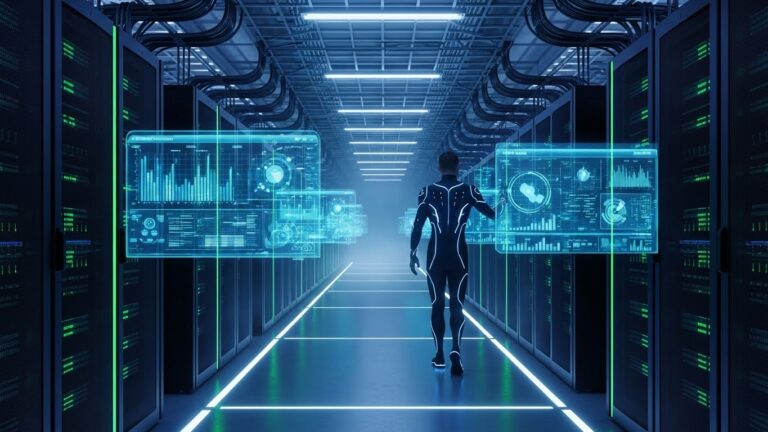
Behind every online service lies a powerful network of data centers known as the cloud. Cloud computing allows people and businesses to store and access information remotely, eliminating the need for physical storage. Whether it’s streaming movies, managing business operations, or sharing documents, cloud technology powers almost every digital service we use today.
For businesses, cloud computing provides flexibility and scalability. It enables startups to compete with large corporations by reducing infrastructure costs. In education, it supports online learning platforms that provide access to resources for millions of students worldwide. The cloud is also essential for supporting technologies like artificial intelligence and big data analytics, which rely on massive computing power and storage capacity.
As cloud technology continues to evolve, it is expected to become even more secure, faster, and accessible, transforming the way we live and work in the digital world.
The Rise of Smart Devices and the Internet of Things
The Internet of Things, or IoT, refers to the network of interconnected devices that communicate with each other through the internet. From smart refrigerators that track groceries to wearable devices that monitor health, IoT has seamlessly integrated technology into everyday life.
In homes, IoT enables smart lighting, security systems, and thermostats that can be controlled remotely. In cities, it powers smart traffic systems, waste management, and energy conservation. In industries, IoT improves efficiency by collecting real-time data and optimizing production processes.
However, the increasing number of connected devices also increases the risk of security breaches. Protecting personal information and maintaining privacy are essential as the IoT continues to expand. Despite these challenges, the Internet of Things represents a future where convenience and connectivity redefine human experience.
Technology and Education: A New Learning Experience
Technology has revolutionized education, making learning more accessible and interactive. Traditional classrooms are being replaced by digital platforms where students can learn from anywhere in the world. Online courses, video lectures, and educational apps have made it possible for people of all ages to acquire new skills and knowledge.
Artificial intelligence in education helps personalize learning by analyzing each student’s strengths and weaknesses. Virtual reality offers immersive experiences that make subjects like science and history more engaging. Technology also enables global collaboration, allowing students and teachers from different parts of the world to share ideas and research.
However, the digital divide remains a significant issue. Not everyone has equal access to devices or high-speed internet, which limits opportunities for some learners. Bridging this gap is essential to ensure that technological progress benefits everyone equally.
Healthcare in the Digital Age
Healthcare is one of the sectors most transformed by technology. Digital tools, telemedicine, and wearable devices have made healthcare more efficient and accessible. Patients can now consult doctors through video calls, track their fitness levels, and monitor chronic conditions with smart devices.
Artificial intelligence and machine learning assist in diagnosing diseases by analyzing medical images and patient data. Robotics is used in surgeries, offering precision that reduces risks and recovery times. Electronic health records allow seamless sharing of medical information among healthcare providers, improving patient care.
Moreover, advancements in biotechnology and genetic engineering have opened doors to personalized medicine, where treatments are tailored to individual genetic profiles. As healthcare becomes increasingly digital, maintaining data privacy and ethical medical practices becomes a top priority.
The Changing Nature of Work Through Technology
Technology has transformed the workplace, creating new opportunities and challenges. Automation, artificial intelligence, and digital collaboration tools have redefined how people work. Remote work, once rare, is now a global standard. Employees can work from anywhere, increasing flexibility and productivity.
Digital tools like video conferencing and project management software make communication seamless across borders. Artificial intelligence automates repetitive tasks, allowing workers to focus on creativity and innovation. However, this technological shift also demands continuous learning and adaptability. Workers must develop digital skills to remain competitive in an evolving job market.
The future of work will likely blend physical and virtual spaces, emphasizing collaboration, creativity, and technological fluency. As industries continue to digitize, the focus will shift from manual labor to intellectual and emotional intelligence.
Cybersecurity: Protecting the Digital World
With great technological advancement comes great responsibility. As more personal and corporate information moves online, cybersecurity has become a critical concern. Hackers, malware, and data breaches pose serious threats to individuals and organizations alike.
To combat these risks, advanced security systems such as encryption, firewalls, and artificial intelligence-based monitoring have been developed. Businesses are investing heavily in cybersecurity to safeguard data and maintain customer trust. However, individuals also play a crucial role by practicing safe online habits such as using strong passwords and avoiding suspicious downloads.
The future of cybersecurity will involve greater integration of artificial intelligence, which can detect and neutralize threats in real time. Ensuring a secure digital environment is essential for the stability of the modern technological ecosystem.
Sustainability and Green Technology
While technology drives progress, it also has environmental implications. Energy consumption, electronic waste, and carbon emissions are significant challenges. However, the rise of green technology is changing this narrative.
Renewable energy sources such as solar and wind power are becoming more efficient, and electric vehicles are reducing dependence on fossil fuels. Smart grids optimize energy distribution, while sustainable manufacturing reduces waste. Artificial intelligence and big data help monitor climate patterns and develop strategies for environmental conservation.
The focus on sustainable technology ensures that progress does not come at the cost of the planet. By prioritizing eco-friendly innovation, humanity can build a future that balances technological growth with environmental responsibility.
The Ethical Impact of Technology
As technology grows more powerful, ethical concerns become increasingly important. Issues such as privacy, surveillance, misinformation, and job displacement raise critical questions about the role of technology in society. The challenge is to use technology responsibly while ensuring fairness, transparency, and accountability.
Governments and organizations must create policies that regulate the ethical use of technology, protecting individuals from exploitation and harm. Developers must design technologies that promote equality and inclusivity, while users must remain aware of how their digital actions affect others.
Conclusion
Technology has redefined every aspect of human existence. It connects people across continents, solves problems once thought impossible, and opens doors to new opportunities. Yet, it also challenges us to remain ethical, responsible, and conscious of its impact.
The digital pulse of our world continues to beat stronger with every innovation. From artificial intelligence to smart devices and sustainable technologies, the future promises endless possibilities. However, it is up to humanity to guide this progress wisely. When used with purpose and compassion, technology becomes more than just a tool—it becomes the driving force behind a smarter, fairer, and more connected world.
Word Count: 1,536
About the Author