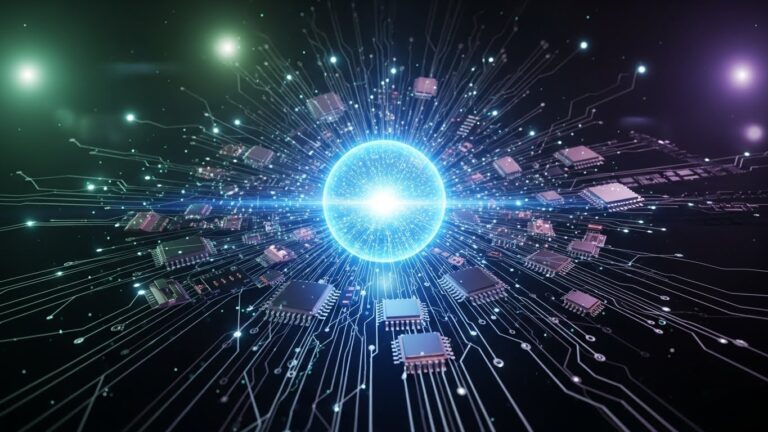
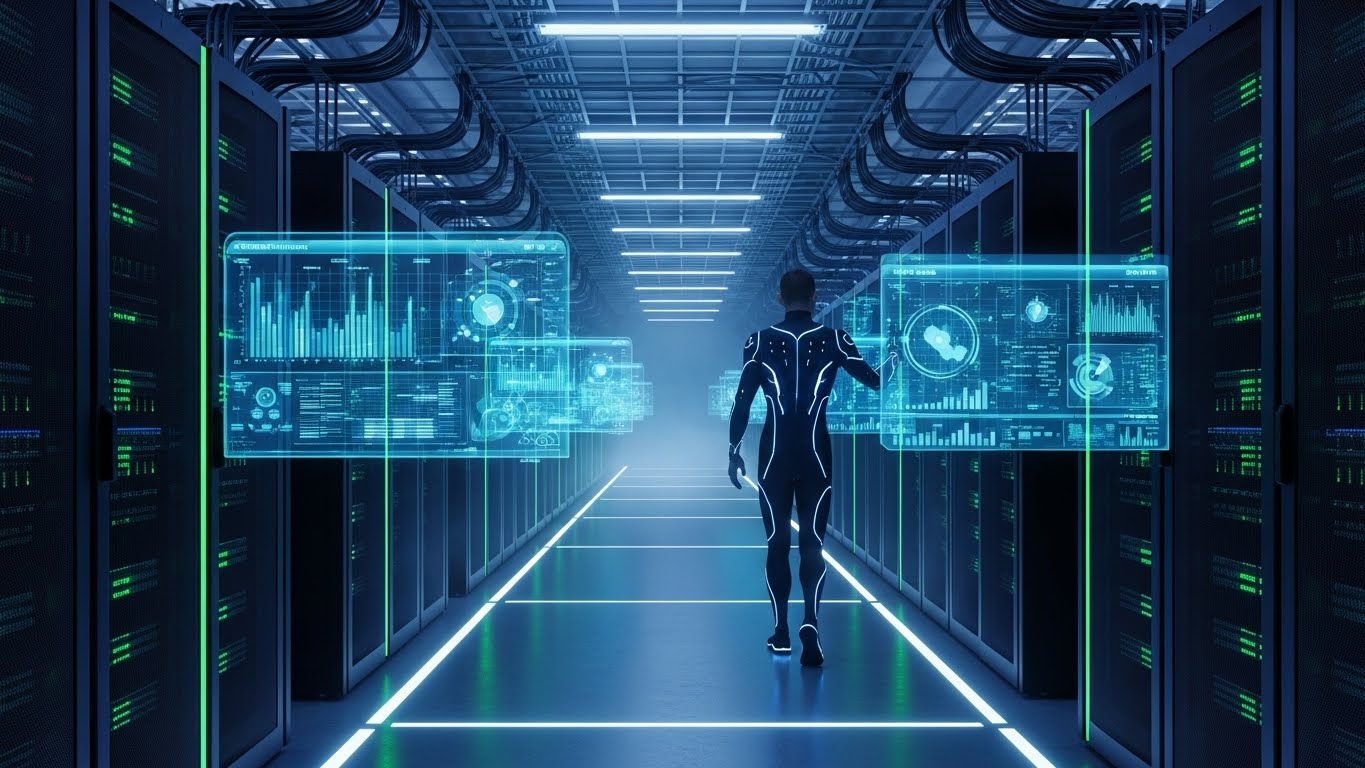
Technology has always been a driving force behind human progress, shaping the way we live, work, and communicate. In recent years, the pace of technological advancement has accelerated exponentially, giving rise to innovations that were once considered the realm of science fiction. From artificial intelligence to quantum computing, the tools and platforms we use today are transforming industries and redefining human potential. This blog delves into the key technological trends that are reshaping our world, the opportunities they present, and the challenges we must navigate along the way.
The Rise of Artificial Intelligence
Artificial Intelligence (AI) has evolved from a niche field of computer science into a core driver of innovation across multiple industries. AI systems can now process and analyze vast amounts of data in ways that humans cannot, enabling smarter decision-making and predictive capabilities that were unimaginable just a decade ago. Applications of AI span from autonomous vehicles and healthcare diagnostics to personalized marketing and natural language processing.
In healthcare, AI algorithms are assisting doctors in diagnosing diseases with remarkable accuracy. Machine learning models can analyze medical images to detect anomalies such as tumors or fractures, sometimes even before they are apparent to human eyes. This capability not only improves patient outcomes but also streamlines medical workflows and reduces the burden on healthcare professionals.
In the business world, AI-powered analytics tools are revolutionizing decision-making. Companies can forecast trends, understand customer behavior, and optimize operations with unprecedented precision. Chatbots and virtual assistants powered by AI are enhancing customer experiences by providing real-time support and personalized recommendations. The integration of AI into daily life continues to grow, raising both excitement and concerns about privacy, ethics, and job displacement.
Quantum Computing: A Leap Into the Future
Quantum computing represents a radical shift from traditional computing paradigms. Unlike classical computers, which process information using bits that are either 0 or 1, quantum computers use quantum bits or qubits that can exist in multiple states simultaneously. This property, known as superposition, allows quantum computers to solve certain complex problems much faster than classical systems.
Quantum computing holds promise for breakthroughs in fields such as cryptography, material science, and drug discovery. For example, simulating molecular structures to develop new drugs or materials is computationally intensive for classical computers, but quantum systems can perform these simulations efficiently. While fully functional quantum computers are still in the early stages of development, their potential to transform industries is immense. Organizations that harness quantum computing early could gain significant advantages in innovation, security, and efficiency.
The Internet of Things and a Connected World
The Internet of Things (IoT) is bridging the gap between the physical and digital worlds by connecting everyday devices to the internet. From smart homes and wearable devices to industrial sensors, IoT enables real-time monitoring, automation, and data-driven decision-making. The interconnectedness of devices is creating new efficiencies and convenience, while also generating vast amounts of data that can be harnessed for insights.
In smart cities, IoT devices monitor traffic patterns, air quality, and energy usage, enabling urban planners to optimize infrastructure and reduce environmental impact. In homes, connected appliances can anticipate user needs, such as adjusting thermostats or ordering groceries automatically. Industrial IoT applications improve predictive maintenance, reducing downtime and extending the lifespan of critical machinery. The proliferation of IoT devices, however, also raises concerns about data security and privacy, highlighting the need for robust cybersecurity measures.
Blockchain Beyond Cryptocurrency
While blockchain is often associated with cryptocurrency, its applications extend far beyond digital money. Blockchain is a decentralized ledger technology that ensures transparency, security, and immutability of data. This has significant implications for industries such as supply chain management, healthcare, finance, and governance.
In supply chains, blockchain can track products from production to delivery, ensuring authenticity and reducing fraud. Healthcare systems can use blockchain to maintain secure, tamper-proof patient records, enhancing privacy while enabling seamless access for authorized professionals. Financial institutions leverage blockchain for faster, more secure transactions and to reduce reliance on intermediaries. The potential for blockchain to create trust in digital transactions and systems makes it a critical technology for the modern era.
The Role of 5G in Enabling Innovation
The rollout of 5G networks is set to revolutionize connectivity, providing faster data speeds, lower latency, and increased device capacity. This technology is not just about streaming movies in high definition; it enables transformative applications across sectors. Autonomous vehicles, augmented reality, and industrial automation all require reliable, high-speed connectivity that 5G can provide.
In healthcare, 5G allows for remote surgeries where surgeons can operate robotic systems from thousands of miles away, guided by real-time, high-definition video streams. In manufacturing, 5G enables smart factories where machines communicate seamlessly to optimize production processes. The enhanced connectivity also fuels the growth of IoT and edge computing, where data processing occurs closer to the source, improving speed and efficiency.
Cybersecurity in a Hyperconnected Era
As technology becomes more integrated into every aspect of life, cybersecurity has emerged as a critical concern. The more connected we become, the more vulnerable we are to cyber threats. From data breaches and ransomware attacks to identity theft, the risks are significant for individuals, businesses, and governments alike.
Effective cybersecurity requires a proactive approach, combining advanced technologies with best practices and user awareness. AI-driven security systems can detect anomalies and potential threats in real-time, while encryption ensures that sensitive data remains protected. As technology evolves, cybersecurity must evolve in tandem, addressing new vulnerabilities and ensuring that innovation does not come at the cost of security.
The Ethical Implications of Emerging Technology
With great technological power comes great responsibility. The rise of AI, IoT, blockchain, and other emerging technologies brings with it ethical considerations that cannot be ignored. Privacy, bias, job displacement, and the potential for misuse are pressing concerns that require thoughtful regulation and responsible development.
AI systems, for instance, are only as unbiased as the data they are trained on. Without careful oversight, these systems can perpetuate existing inequalities or make decisions that are difficult to explain. Similarly, the collection and use of personal data by IoT devices must be balanced with individuals’ rights to privacy. Ethical frameworks and governance structures are essential to ensure that technology serves humanity rather than undermines it.
Green Technology and Sustainable Innovation
Technology also has a role to play in addressing one of the greatest challenges of our time: sustainability. Green technology, which focuses on reducing environmental impact, is gaining traction across industries. Innovations in renewable energy, energy-efficient computing, and sustainable manufacturing are helping reduce carbon footprints and preserve natural resources.
Smart grids powered by AI optimize energy distribution, reducing waste and improving reliability. Electric vehicles and advanced battery technologies are decreasing dependence on fossil fuels. In agriculture, precision farming techniques use sensors and AI to optimize water and fertilizer usage, improving yield while minimizing environmental impact. Sustainable technology demonstrates that innovation and responsibility can go hand in hand.
Preparing for the Future
The rapid pace of technological advancement presents both opportunities and challenges. To thrive in this evolving landscape, individuals, businesses, and governments must adopt a mindset of continuous learning and adaptability. Skills in AI, data analysis, cybersecurity, and other emerging fields are increasingly essential. Organizations that embrace digital transformation and invest in innovation will be better positioned to succeed in the future.
Equally important is fostering a culture of ethical and responsible technology use. As machines become more capable, humans must ensure that technology aligns with societal values and serves the greater good. Collaboration between technologists, policymakers, and communities is crucial to building a future that is both technologically advanced and socially responsible.
Conclusion: Embracing a Technological Renaissance
We are living in an era of unprecedented technological transformation. From artificial intelligence and quantum computing to blockchain and 5G, the innovations of today are reshaping every aspect of our lives. These technologies offer immense potential to improve efficiency, enhance human capabilities, and address pressing global challenges.
At the same time, we must navigate the ethical, social, and security implications that accompany these advancements. By embracing responsible innovation, fostering continuous learning, and prioritizing sustainability, we can harness technology not just for convenience or profit, but for the betterment of humanity.
The horizon of technology is vast and full of promise. As we explore it, we must remember that technology is a tool—a reflection of human ingenuity, creativity, and ambition. How we wield it will define the future we leave for generations to come.
About the Author