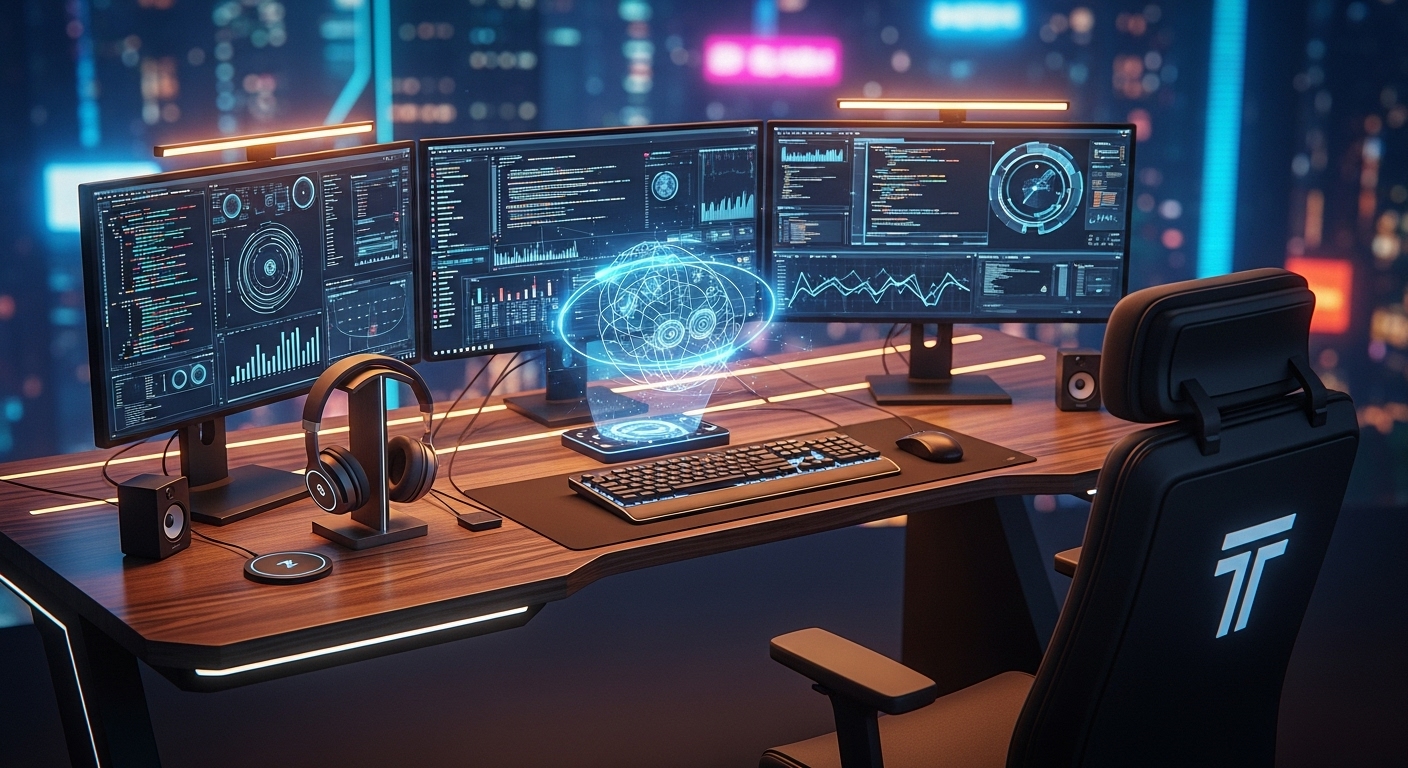
Introduction: The Age of Digital Transformation
Technology has become the heartbeat of modern society. It influences how people communicate, learn, work, and even think. From smartphones that connect billions to artificial intelligence that powers intelligent machines, technology continues to reshape our world every single day. It has become the foundation of progress and the key to solving many of humanity’s biggest challenges.
Artificial Intelligence: The Smart Shift
Artificial intelligence, often called AI, is one of the most significant innovations of our time. It allows computers and machines to mimic human thinking and decision-making. AI helps doctors detect diseases earlier, assists businesses in predicting trends, and powers the voice assistants people use daily. This intelligent technology is not just changing industries but also transforming how humans live and interact with the world around them.
The Internet of Things: A Connected Future
The Internet of Things, or IoT, connects everyday devices to the internet, allowing them to communicate and share information. From smart home systems that adjust lights and temperature automatically to wearable devices that track health, IoT makes life easier and more efficient. This connected technology helps save time, improves comfort, and creates smarter environments for people everywhere.
Cloud Computing: Innovation Without Boundaries
Cloud computing has changed the way data is stored and accessed. It allows information to be saved on virtual servers instead of physical devices, making it easy to access from anywhere. This technology supports businesses by enabling collaboration and flexibility while reducing costs. For individuals, cloud storage means keeping photos, videos, and documents safe and accessible at all times.
Emerging Technologies: Shaping the Next Generation
New innovations such as virtual reality, augmented reality, and quantum computing are taking technology to the next level. Virtual reality provides immersive experiences in entertainment and education, while augmented reality enhances real-world interactions with digital elements. Quantum computing, though still developing, has the potential to solve complex problems beyond the power of traditional computers. These technologies will continue to push the limits of what is possible.
Conclusion: Embracing the Future of Technology
Technology is more than machines and software; it is the result of human creativity and vision. It connects people, drives innovation, and builds opportunities for a better future. As technology continues to evolve, it is important to use it wisely and responsibly. The digital revolution is here, and those who embrace it will be the ones shaping the world of tomorrow.
About the Author