Technology has evolved at an unprecedented pace over the last few decades, reshaping every aspect of human life. From the way we communicate to the manner in which we work, travel, and learn, technology is now deeply embedded in our daily routines. Its influence is not confined merely to gadgets and software but extends into societal structures, economic systems, and even personal lifestyles. Understanding this transformation requires a comprehensive look at the key technological developments that have shaped the modern era.
The Rise of Computing Power
The foundation of the modern technological revolution lies in computing power. Over the years, computers have evolved from large, cumbersome machines accessible only to research institutions into powerful, compact devices that fit in our pockets. The exponential growth of computing capabilities, often described by Moore’s Law, has allowed us to perform calculations, store massive amounts of data, and run complex algorithms at speeds unimaginable a few decades ago. This surge in computing power has paved the way for advancements in artificial intelligence, data analytics, and automation.
Impact on Businesses
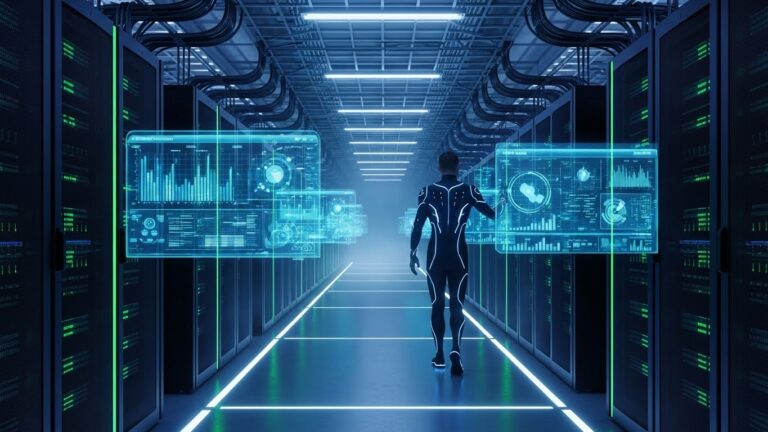
Computing power has transformed the way businesses operate. From small startups to multinational corporations, companies now rely heavily on technology to streamline operations, enhance productivity, and gain a competitive edge. Cloud computing, in particular, has revolutionized business practices by providing scalable resources and storage solutions without the need for massive on-premise infrastructure. This shift has enabled businesses to innovate faster, reduce operational costs, and adapt swiftly to market changes.
Advancements in Personal Computing
The growth in computing power has also significantly impacted personal technology. Smartphones, laptops, and wearable devices have become extensions of our identity, allowing individuals to manage work, social life, entertainment, and health seamlessly. High-performance processors, coupled with user-friendly operating systems, have made these devices capable of tasks that once required specialized equipment. Today, individuals can edit videos, run simulations, and interact with complex virtual environments directly from their personal devices.
Artificial Intelligence: The New Frontier
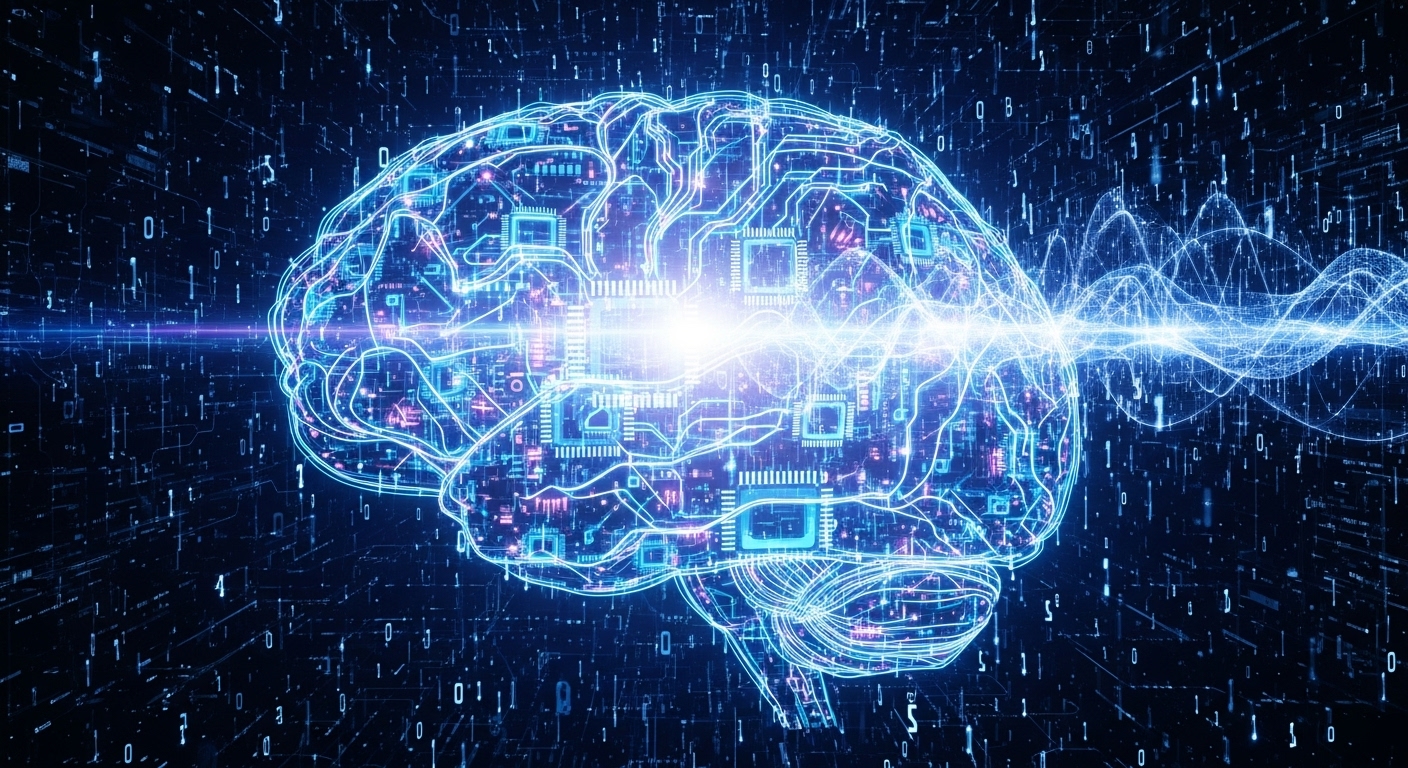
Artificial intelligence (AI) represents one of the most revolutionary technological developments of our time. By simulating human intelligence through machine learning, natural language processing, and neural networks, AI systems are capable of analyzing data, recognizing patterns, and making decisions with minimal human intervention.
AI in Daily Life
AI has permeated everyday life in numerous ways. Virtual assistants, recommendation engines, and predictive text features enhance user experiences across devices and platforms. AI-driven applications in healthcare assist doctors with diagnostics and treatment planning, while autonomous vehicles rely on AI algorithms to navigate complex environments safely. These implementations demonstrate AI’s potential to not only improve efficiency but also create entirely new possibilities for human-machine interaction.
Ethical Considerations
With great power comes great responsibility. The rise of AI has sparked debates around ethics, privacy, and accountability. Ensuring that AI systems are transparent, unbiased, and secure is crucial for fostering public trust. The technology’s ability to process vast amounts of personal data necessitates strict regulatory frameworks to prevent misuse, while ongoing research in explainable AI aims to make decision-making processes understandable to human users.
The Internet of Things: Connecting the World
The Internet of Things (IoT) refers to the network of interconnected devices that communicate and exchange data in real-time. From smart homes to industrial machinery, IoT has brought a new level of intelligence and automation to both personal and professional spaces.
Smart Homes and Lifestyle
In personal environments, IoT has redefined convenience and efficiency. Smart thermostats adjust temperatures based on occupancy patterns, wearable devices monitor health metrics, and connected appliances provide remote control and automation. These technologies not only enhance comfort but also contribute to energy conservation and cost savings.
Industrial and Urban Applications
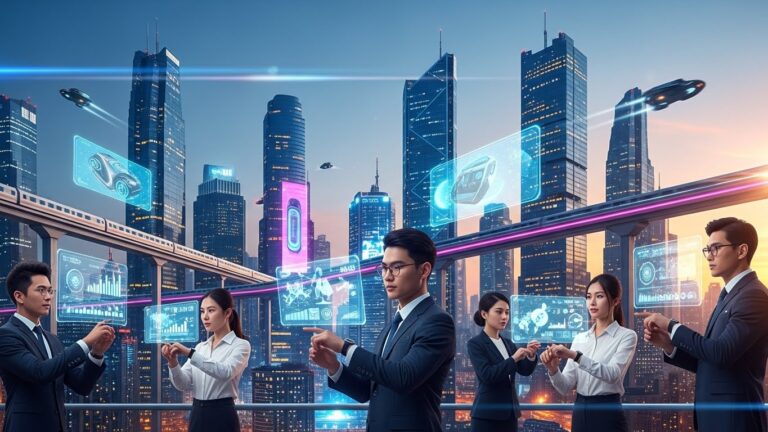
On a larger scale, IoT plays a critical role in industrial and urban management. Factories equipped with connected sensors optimize production lines, detect equipment malfunctions, and reduce downtime. Smart cities leverage IoT to manage traffic flow, monitor environmental conditions, and improve public services. By harnessing real-time data, urban planners and industries can make more informed decisions, improving overall efficiency and sustainability.
Cloud Computing and Big Data
The convergence of cloud computing and big data analytics has transformed how organizations manage and interpret information. Cloud computing provides scalable storage and processing capabilities, while big data analytics extracts actionable insights from vast datasets.
Business Intelligence
Businesses increasingly rely on cloud-based analytics platforms to understand customer behavior, identify market trends, and predict future demands. By integrating big data analytics into decision-making processes, companies can personalize marketing strategies, optimize supply chains, and develop innovative products. This data-driven approach has become a cornerstone of modern business strategy.
Scientific and Medical Research
Cloud computing and big data are also instrumental in scientific and medical research. Complex simulations, genome sequencing, and climate modeling require immense computational resources, which cloud platforms can provide efficiently. Researchers can collaborate across continents, share massive datasets, and accelerate discoveries that address global challenges.
Cybersecurity in a Digital World
As technology becomes increasingly integrated into every facet of life, cybersecurity has emerged as a critical concern. The proliferation of digital devices, cloud services, and online platforms has expanded the attack surface for malicious actors.
Threat Landscape
Cyber threats range from data breaches and ransomware attacks to phishing scams and identity theft. These threats not only compromise personal information but also disrupt business operations, erode consumer trust, and pose national security risks. The sophistication and frequency of attacks continue to grow, necessitating proactive and adaptive security measures.
Defensive Strategies
Organizations and individuals must adopt comprehensive cybersecurity strategies. Multi-layered defenses, including firewalls, encryption, and access controls, are essential to protect sensitive data. Additionally, cybersecurity awareness and training play a crucial role in preventing human errors that could lead to security breaches. Governments and private entities are increasingly collaborating to establish regulations and standards to safeguard digital ecosystems.
The Role of Emerging Technologies
While AI, IoT, cloud computing, and big data dominate current technological discourse, several emerging technologies are poised to redefine the landscape further. Quantum computing, augmented reality (AR), virtual reality (VR), and blockchain represent new frontiers of innovation.
Quantum Computing
Quantum computing harnesses the principles of quantum mechanics to perform calculations far beyond the capabilities of classical computers. This technology promises breakthroughs in cryptography, material science, and complex problem-solving. Although still in its infancy, quantum computing has the potential to revolutionize industries by solving problems that were previously considered intractable.
Augmented and Virtual Reality
AR and VR technologies are transforming the way we experience digital content. AR overlays digital information onto the physical world, enhancing navigation, education, and entertainment. VR, on the other hand, immerses users in entirely virtual environments, creating opportunities for gaming, training simulations, and remote collaboration. As these technologies mature, they are expected to become integral components of both professional and recreational activities.
Blockchain and Decentralization
Blockchain technology, known for underpinning cryptocurrencies, offers secure and transparent ways to record transactions. Beyond finance, blockchain has applications in supply chain management, healthcare, and digital identity verification. By enabling decentralized systems, blockchain reduces reliance on intermediaries, enhances transparency, and fosters trust in digital interactions.
Technology and Society
The influence of technology extends beyond industry and commerce to societal structures, culture, and human behavior. Digital platforms have transformed communication, education, and entertainment, creating a globalized, interconnected world.
Education and Learning
Technology has revolutionized education by providing access to knowledge and learning resources on a scale never seen before. Online courses, virtual classrooms, and interactive learning platforms allow students to acquire skills and knowledge regardless of geographical constraints. Adaptive learning algorithms personalize educational experiences, catering to individual needs and improving outcomes.
Social Interaction and Communication
Social media platforms, messaging apps, and video conferencing tools have reshaped human interaction. People can now communicate instantaneously across continents, share experiences, and collaborate in real-time. While these technologies foster connection, they also introduce challenges, including privacy concerns, digital addiction, and the spread of misinformation.
Entertainment and Creativity
The entertainment industry has embraced technological advancements to offer immersive experiences. Streaming platforms, gaming consoles, and creative software empower individuals to consume and produce content with unprecedented ease. Technology has democratized creativity, enabling artists, writers, and filmmakers to reach global audiences without traditional gatekeepers.
The Future of Technology
As we look to the future, the trajectory of technological advancement promises both opportunities and challenges. Emerging trends such as automation, human-computer integration, and sustainable innovation will continue to shape society in profound ways.
Automation and the Workforce
Automation, driven by AI and robotics, is transforming the workforce. Routine and repetitive tasks are increasingly performed by machines, allowing humans to focus on creative, analytical, and strategic roles. While this shift improves efficiency, it also necessitates reskilling and upskilling to ensure workers remain relevant in the evolving job market.
Human-Computer Integration
Advances in neural interfaces and wearable technology are blurring the lines between humans and machines. Brain-computer interfaces, for example, hold the potential to enhance cognition, restore lost abilities, and enable seamless interaction with digital systems. As these technologies mature, ethical considerations regarding identity, privacy, and autonomy will become central to public discourse.
Sustainable Technology
The environmental impact of technology is an increasingly important consideration. Innovations in renewable energy, energy-efficient computing, and sustainable materials aim to reduce the ecological footprint of technological development. Integrating sustainability into design and production processes is essential for ensuring that technological progress aligns with global environmental goals.
Conclusion
Technology has become an inseparable part of modern life, driving progress, innovation, and connectivity. From the rise of computing power and AI to the proliferation of IoT devices and cloud computing, each advancement has reshaped the world in profound ways. As emerging technologies such as quantum computing, AR, VR, and blockchain continue to develop, the future promises even greater transformation.
However, this progress comes with responsibilities. Ethical considerations, cybersecurity challenges, and societal impacts must be addressed to ensure that technology serves humanity positively. By embracing innovation while maintaining vigilance and foresight, society can harness the full potential of technology to create a smarter, safer, and more sustainable world.
In the end, technology is not merely a tool; it is a catalyst for change, an enabler of possibilities, and a mirror reflecting both the ambitions and the responsibilities of human civilization.
About the Author