
Introduction
Technology has become an inseparable part of human life, shaping how we communicate, work, learn, and entertain ourselves. From the earliest inventions such as the wheel and the printing press to the rise of artificial intelligence, technology has continually redefined human capability and societal progress. In today’s world, technological advancements are happening at an unprecedented pace, creating new opportunities, transforming industries, and reshaping the way people live and interact.
This blog explores the evolution, applications, and impact of modern technology, detailing its influence across various sectors, from communication and healthcare to entertainment and environmental sustainability. By understanding the scope of technological innovation, we can appreciate both its benefits and challenges while preparing for a future driven by digital intelligence and connectivity.
The Evolution of Technology
The history of technology reflects humanity’s constant desire to innovate and improve life. Early humans relied on basic tools for survival, gradually progressing to more complex inventions that enhanced productivity, mobility, and communication. The Industrial Revolution marked a turning point, introducing mechanization, electricity, and mass production. These advances transformed societies, economies, and lifestyles.
The 20th century accelerated technological progress, bringing computers, the internet, and mobile devices into everyday life. Computers evolved from room-sized machines to personal devices capable of complex calculations, data processing, and connectivity. The internet enabled instant communication across the globe, providing access to information and resources like never before.
Computing Technology and Its Impact
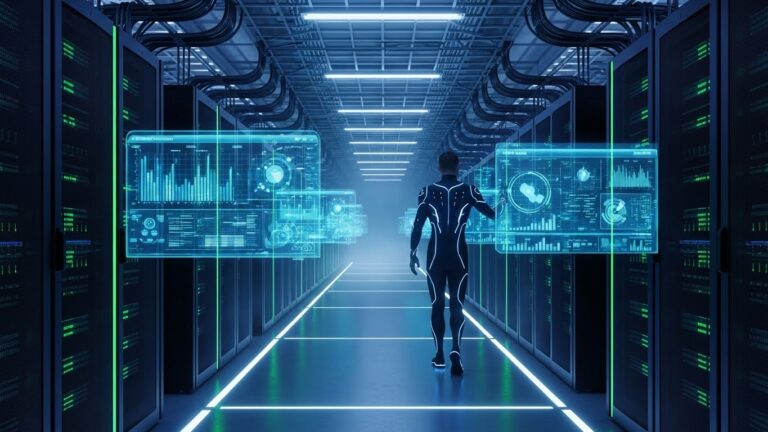
Computers are the foundation of modern technology. Personal computers, laptops, and high-performance servers enable people to work efficiently, solve complex problems, and engage in creative pursuits. Computing technology powers artificial intelligence, machine learning, and data analytics, which are critical in shaping business strategies, scientific research, and entertainment.
Supercomputers provide immense computational power for scientific simulations, climate modeling, and genetic research. Meanwhile, personal devices allow millions to communicate, study, and create digital content daily. The evolution of computing technology continues to enhance human capability, driving progress across multiple domains.
Internet and Global Connectivity
The internet has fundamentally transformed communication, commerce, and education. It connects billions of people worldwide, making information and services more accessible than ever. Social media platforms, instant messaging apps, and video conferencing tools have revolutionized communication, enabling people to interact regardless of location.
E-commerce has become a dominant economic force, allowing consumers to purchase products and services online, expanding markets for businesses, and providing convenience for users. The internet also supports remote work, online learning, and digital entertainment, reshaping lifestyles and creating a connected global community.
Artificial Intelligence and Machine Learning
Artificial intelligence and machine learning are among the most influential technological advancements of the 21st century. AI enables machines to analyze data, identify patterns, and make decisions without constant human intervention. Machine learning allows systems to improve performance over time by learning from experience and adapting to changing conditions.
Applications of AI span industries such as healthcare, finance, manufacturing, and entertainment. AI-driven diagnostics help detect diseases early, while financial algorithms optimize trading and detect fraud. Virtual assistants, recommendation engines, and smart devices have become integral to daily life, improving efficiency and personalizing experiences.
Robotics and Automation
Robotics and automation have transformed industries by increasing efficiency, precision, and safety. Industrial robots perform repetitive tasks in manufacturing, assembly, and logistics, reducing human error and operational costs. Autonomous machines and automated warehouses have revolutionized supply chains and retail operations.
In healthcare, surgical robots enhance precision, while robotic prosthetics improve mobility for patients. Service robots are increasingly used in hospitality, education, and eldercare, illustrating how robotics extends beyond traditional industrial applications. Automation is reshaping the workforce, creating new opportunities while challenging conventional job structures.
Mobile Technology and Its Influence
Mobile technology has fundamentally changed the way people interact, work, and consume information. Smartphones combine computing power, internet connectivity, and multimedia capabilities, making them essential tools in daily life. Mobile applications support communication, education, entertainment, finance, and healthcare.
The widespread adoption of mobile technology has democratized access to information and services. Mobile gaming, digital payments, and mobile learning have expanded opportunities for millions. Mobile devices also enable social connectivity, allowing people to engage with content, communities, and global networks anytime, anywhere.
Cloud Computing and Data Storage
Cloud computing provides scalable, flexible, and cost-effective solutions for storing and processing data. Organizations can access resources on demand, enabling real-time collaboration, data analysis, and application deployment. Cloud platforms support software as a service, infrastructure as a service, and platform as a service, facilitating business innovation and growth.
Cloud technology underpins services such as streaming platforms, online gaming, and enterprise software. By reducing reliance on physical infrastructure, cloud computing allows businesses to operate efficiently, scale rapidly, and deliver better experiences to customers.
The Internet of Things (IoT)
The Internet of Things connects everyday devices to the internet, enabling data collection, communication, and automation. Smart homes, wearable devices, connected vehicles, and industrial IoT systems enhance convenience, efficiency, and productivity.
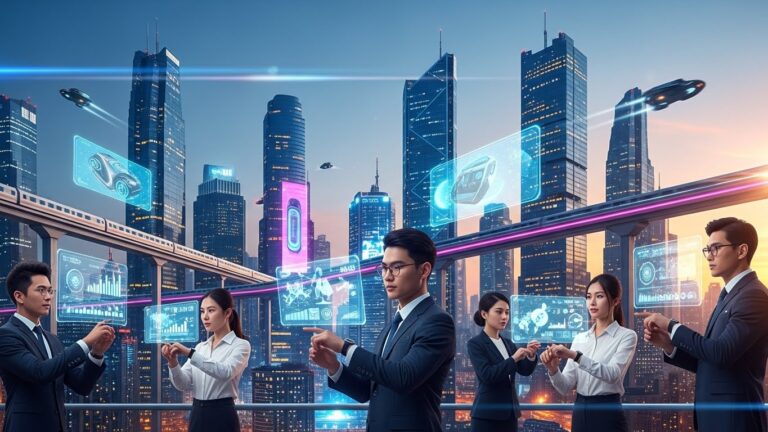
IoT devices monitor energy consumption, track health metrics, and optimize industrial processes. In smart cities, IoT technology improves traffic management, resource allocation, and public safety. By creating interconnected systems, IoT transforms the way people interact with their environment and with each other.
Cybersecurity and Data Protection
As technology becomes more integrated into daily life, cybersecurity is essential for protecting information, financial transactions, and digital infrastructure. Cyberattacks, data breaches, and hacking attempts pose significant threats to individuals, businesses, and governments.
Organizations invest in encryption, multi-factor authentication, firewalls, and threat detection systems to safeguard data. Cybersecurity also involves ethical considerations, ensuring technology is used responsibly and securely. The ongoing development of cybersecurity measures is critical to maintaining trust and safety in a digital world.
Gaming and Entertainment Technology
Technological advancements have revolutionized gaming and entertainment, creating immersive and interactive experiences. High-definition graphics, realistic physics engines, and AI-driven behavior allow for lifelike virtual worlds. Online multiplayer games and streaming platforms enable global interaction and community building.
Virtual reality and augmented reality technologies take immersion to new levels. VR offers fully interactive experiences, while AR overlays digital content onto real-world environments. These innovations are changing how people play games, watch entertainment, and engage with digital media, making interactive experiences a central part of modern culture.
Education and Technology
Technology has transformed education by making learning more interactive, personalized, and accessible. Digital platforms, virtual classrooms, and educational apps allow students to access lessons and resources anytime, anywhere. AI-powered tutoring systems adapt to individual learning needs, providing customized support.
Gamification and simulation technologies enhance engagement, particularly in complex subjects like science, technology, engineering, and mathematics. Online courses and virtual learning environments expand educational access, connecting learners globally and preparing them for a digital future.
Transportation and Mobility Innovation
Technological advancements are reshaping transportation and mobility. Electric vehicles reduce reliance on fossil fuels and environmental impact. Autonomous vehicles promise safer and more efficient travel by minimizing human error.
Intelligent traffic management systems use sensors and AI to optimize traffic flow and reduce congestion. Smart public transportation and ride-sharing platforms improve urban mobility, while logistics and supply chain technology enhance efficiency in goods movement. Technology is creating a more sustainable and connected transportation ecosystem.
Healthcare Technology Advancements
Healthcare is one of the most critical areas impacted by technology. AI and machine learning support early disease detection, diagnostics, and personalized treatment plans. Robotic surgery improves precision and outcomes, while telemedicine expands access to healthcare services.
Wearable devices monitor health metrics in real time, promoting preventive care and wellness. Biotechnology, genomics, and advanced imaging technologies enable breakthroughs in treatment and research. Technology improves efficiency, accessibility, and quality of healthcare, transforming patient experiences worldwide.
Environmental Technology and Sustainability
Technology is vital in addressing environmental challenges. Renewable energy sources such as solar, wind, and hydroelectric power reduce dependence on fossil fuels. Smart grids, energy-efficient systems, and IoT-enabled monitoring enhance sustainability efforts.
Environmental monitoring and analytics technologies help track pollution, manage waste, and optimize resource use. AI-driven solutions assist in predicting climate patterns and developing conservation strategies. Integrating technology into sustainability initiatives promotes a healthier and more resilient planet.
Ethical Considerations in Technology
As technology becomes more integral to daily life, ethical considerations become crucial. Issues such as privacy, algorithmic bias, digital rights, and equitable access require careful attention. Developers and policymakers must ensure that technology is used responsibly and inclusively.
Ethical frameworks guide innovation, ensuring that new technologies enhance human welfare rather than exacerbate inequalities or risks. Transparency, accountability, and fairness are essential principles in the development and deployment of emerging technologies.
Emerging Technologies and Future Prospects
The future of technology promises extraordinary innovation and transformation. Quantum computing could revolutionize problem-solving capabilities. Neural interfaces and brain-computer connections may redefine human interaction with machines. AI, robotics, and virtual reality will continue to create immersive, intelligent, and adaptive systems.
Technologies such as the metaverse will integrate work, entertainment, and social interaction in digital environments. Biotechnology and nanotechnology may redefine medicine, agriculture, and manufacturing. As technology evolves, its potential to shape industries, economies, and societies will continue to expand dramatically.
Conclusion
Technology is a driving force in the modern era, impacting every aspect of human life. From communication and healthcare to entertainment, education, and sustainability, technological innovation shapes how we live, work, and interact. While challenges such as cybersecurity, ethical concerns, and social inequality exist, the potential benefits of technology remain vast.
By embracing innovation responsibly, society can harness technology to improve quality of life, enhance efficiency, and create a sustainable and interconnected future. Technology is not merely a tool; it is a partner in shaping human progress and unlocking the full potential of our civilization.
About the Author